Google Ads vs Meta Ads vs SEO: Which Is Right for Your Business?
Every growing business eventually asks the same question: where should the next marketing rupee go Google Ads, Meta Ads, or SEO? Each channel wins customers in a fundamentally different way, on a different timeline, and at a different cost structure.
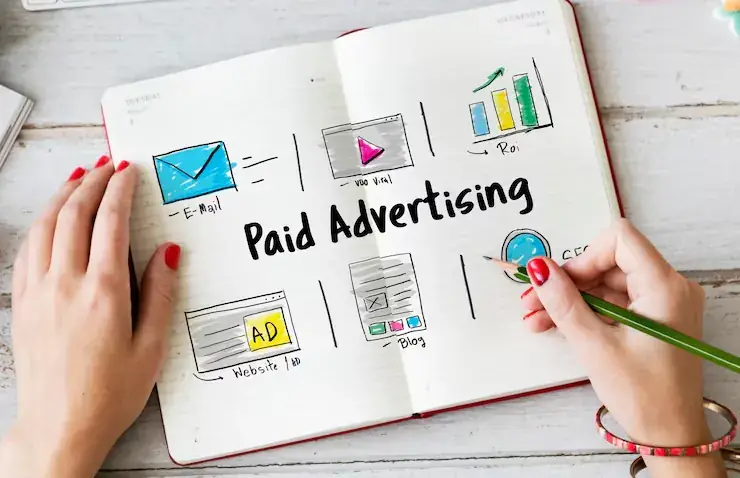
This guide breaks down exactly how each channel behaves, what it costs, how fast it works, and how to decide which combination fits your business right now.
1. The Core Difference: Intent vs. Interruption
Google Ads and SEO both compete for search intent someone actively typing a query because they want an answer or a purchase right now. Meta Ads, by contrast, interrupts people while they're scrolling, before they were necessarily looking for you at all. Search-based channels tend to convert at a higher rate per visitor, while Meta Ads excels at building awareness and demand that didn't previously exist.
💡 Quick Win: If you're unsure where to start, run a small two-week Google Ads test on your highest-intent commercial keywords the fastest way to validate demand and messaging before committing a larger budget anywhere.
2. How Google Ads Works
Google Ads is an auction-based pay-per-click system: you bid on keywords, and your ad appears above or alongside organic results when someone searches that term. Because it targets people already searching for a solution, Google Ads typically produces the highest immediate conversion rate of the three channels but that visibility disappears the moment you stop paying.
| Attribute | Google Ads |
|---|---|
| Targets | Active search intent (keywords) |
| Speed to results | Immediate (hours to days) |
| Cost model | Pay-per-click, auction-based |
| Best for | High-intent purchases, lead generation, time-sensitive offers |
| Key risk | Rising CPCs in competitive categories; traffic stops when spend stops |
3. How Meta Ads Works
Meta Ads (Facebook and Instagram) uses detailed audience targeting interests, behaviors, demographics, and lookalike audiences to show ads to people who fit your ideal customer profile, whether or not they're actively searching for anything. Success depends heavily on creative quality: the ad itself has to stop the scroll before targeting even matters.
| Attribute | Meta Ads |
|---|---|
| Targets | Demographics, interests, behaviors, lookalike audiences |
| Speed to results | Fast (days), but needs creative testing time |
| Cost model | Pay-per-click or per-impression, auction-based |
| Best for | Brand awareness, visually appealing products, retargeting |
| Key risk | Ad fatigue, rising costs with privacy changes limiting targeting precision |
4. How SEO Works
SEO earns unpaid visibility in organic search results by making a website technically sound, genuinely useful, and trusted enough for Google to rank it highly. Unlike the two paid channels, there's no bid or budget that guarantees placement results come from sustained investment in content, technical health, and authority-building over months.
| Attribute | SEO |
|---|---|
| Targets | Active search intent (organic results) |
| Speed to results | Slow (months), but compounds over time |
| Cost model | Time and content investment, not per-click |
| Best for | Long-term, sustainable traffic at a falling marginal cost |
| Key risk | Slow initial results; requires patience and consistency |
5. Cost and Speed: What Each Channel Actually Delivers Over Time
Paid channels cost roughly the same, or more, for every single visitor for as long as you run them. SEO costs the most per visitor in month one, when almost nothing is ranking yet, and the least per visitor in month twelve, once content and authority have accumulated.
If a business needs revenue this month, paid channels are the only realistic option SEO simply cannot be rushed into producing meaningful traffic within days. Google Ads can generate qualified leads within hours; Meta Ads needs a short creative-testing period; SEO, in almost every case, needs a minimum of two to three months before results become noticeable.
6. Which Channel Fits Which Business Type
Google Ads tends to win for service businesses with clear, high-intent local searches, B2B companies with well-defined searchable problem statements, and time-sensitive offers or seasonal promotions.
Meta Ads tends to win for visually appealing D2C and lifestyle products people didn't know they wanted until they saw them, and for retargeting website visitors who didn't convert on their first visit.
SEO tends to win for considered, research-heavy purchases where buyers compare options before deciding, content-rich categories like education, finance, health, and software, and any business planning to operate for years rather than running a short-term campaign.
7. Combining Channels: The Realistic Approach Most Businesses Take
Very few successful businesses rely on a single channel exclusively. A common, effective sequence: use Google Ads to validate demand and messaging quickly, use Meta Ads to build broader awareness and retarget engaged visitors, and invest in SEO in parallel so a growing share of the same traffic arrives without an ongoing per-click cost.
| Business Stage | Suggested Primary Focus | Secondary Channel |
|---|---|---|
| Pre-launch / new brand | Meta Ads for awareness | Begin SEO foundation in parallel |
| Early revenue, validating demand | Google Ads for fast feedback | Meta Ads for retargeting |
| Established, steady demand | SEO for compounding, low-cost traffic | Google Ads for gaps SEO doesn’t cover |
8. Measuring ROI Fairly Across Channels
Comparing channels fairly requires looking beyond last-click attribution, since a customer often sees a Meta ad, later searches your brand name on Google, and finally converts after reading an SEO blog post with a naive last-click model crediting only the final touchpoint. Multi-channel attribution reports in Google Analytics 4 help reveal how channels actually support each other rather than competing in isolation.
9. A Simple Decision Framework You Can Use Today
If you need revenue within the next 30 days, start with Google Ads on your highest-intent keywords. If your product benefits from visual demonstration and you're building awareness in a new category, add Meta Ads. If you plan to operate in your category for years and your buyers research before purchasing, begin SEO now regardless of how the first two channels perform because it's the only channel whose cost per customer improves the longer you wait to start it seriously.
A Practical 90-Day Channel Rollout
Launch Google Ads test and begin SEO audit
Add Meta Ads for awareness and retargeting
Scale what’s working, publish first SEO content cluster
Key Takeaways
- ✓Google Ads and SEO both capture active search intent, while Meta Ads creates demand through interruption and visual appeal
- ✓Paid channels deliver speed; SEO delivers a compounding, falling cost per visitor over time
- ✓The strongest long-term strategy combines channels deliberately rather than relying on just one
- ✓The right mix depends on how quickly you need results and how research-heavy your customers’ buying decisions are
💡 There's no single “best” channel among Google Ads, Meta Ads, and SEO only the channel that best fits your business's timeline, budget, and category right now. The businesses that grow most sustainably use paid channels for speed and validation while consistently investing in SEO as a long-term, compounding asset that becomes more valuable, not less, the longer they stick with it.
Frequently Asked Questions
Should a new business start with Google Ads, Meta Ads, or SEO?+
Most new businesses see the fastest validation from Google Ads or Meta Ads, while starting SEO in parallel so it’s compounding by the time paid costs typically rise.
Is SEO cheaper than paid advertising?+
Over a 12-month horizon, SEO’s cost per visitor typically falls below paid channels, though it costs more per visitor in the first few months while authority builds.
Can I run Google Ads and SEO for the same keywords at the same time?+
Yes, and doing so is common; appearing in both a paid ad and an organic result for the same query often increases overall click-through rate and brand trust.
Does SEO help my Google Ads performance?+
Indirectly, yes; the same technical and content improvements that raise Quality Score also tend to improve organic rankings.
What is a realistic budget split between paid and organic?+
There’s no universal number, but many growing businesses aim to keep a consistent, non-negotiable SEO investment alongside variable paid spend that scales with demand.
Is it a mistake to rely on only one channel long-term?+
For most businesses, yes; relying on a single channel concentrates risk if that platform’s costs rise or its rules change, which has happened repeatedly across all three channels.